
Buyer FAQ: Historic and Architectural Homes in Pasadena and the San Gabriel Valley
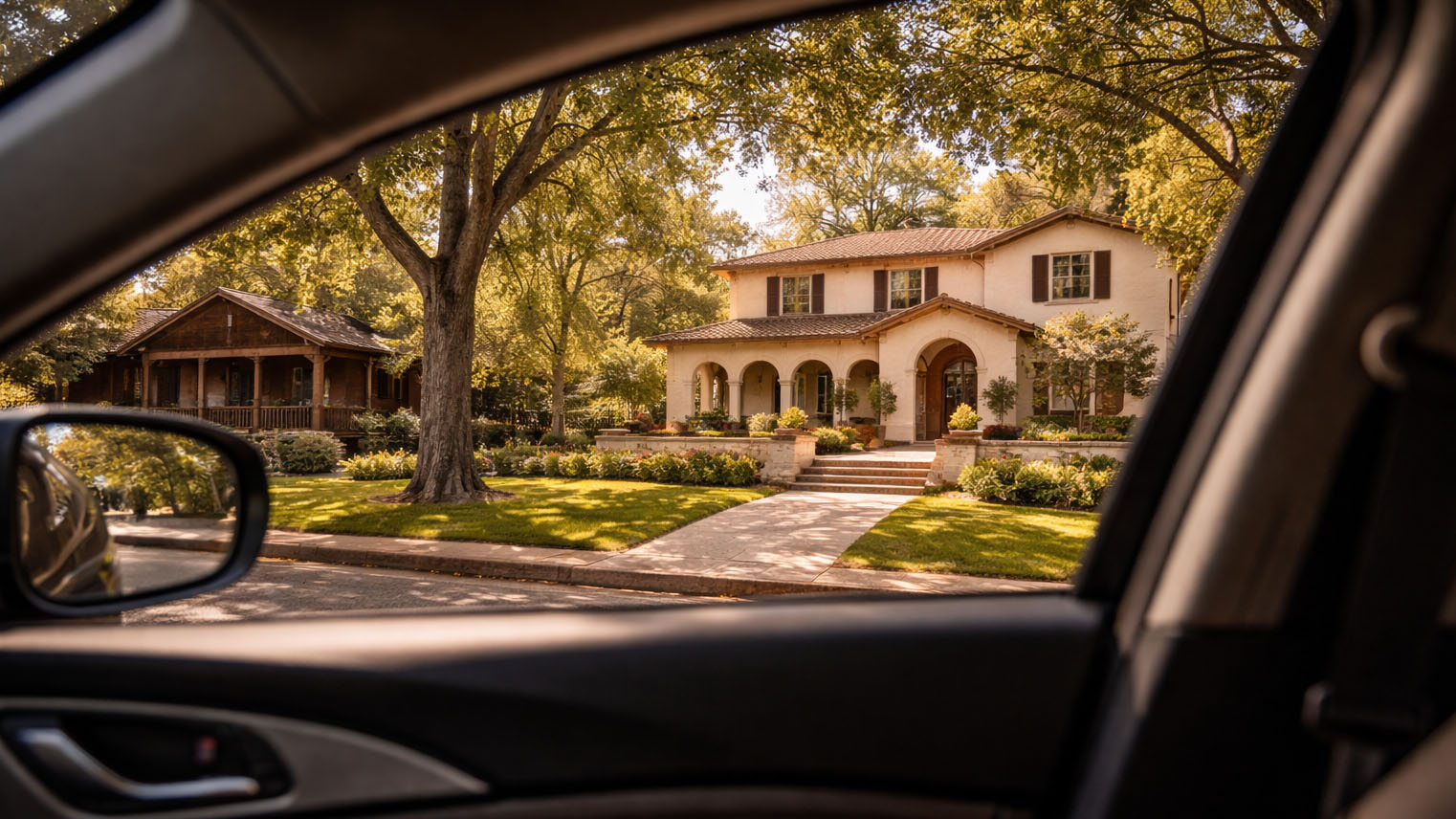
Straight answers to the questions buyers actually ask about older and architecturally significant homes in Pasadena, Altadena, and across the San Gabriel Valley. Each answer links into the library’s deeper guides.
1. What do homes cost in Pasadena, San Marino, and the San Gabriel Valley?
Home prices in the San Gabriel Valley vary widely by city: the same square footage sells at a different number in Alhambra than in San Marino, and different again in Pasadena block to block. Within any one market, four drivers set the price: location, lot, condition, and pedigree. On pre-1940 homes, pedigree is real money. A documented architect, contributing status in a landmark district, and intact original detail all command a premium over a stripped or flipped equivalent. For current numbers by city and segment, Sell Odds, our CRMLS-based market engine, tracks San Gabriel Valley closings continuously.
2. How much does a Craftsman home cost in Pasadena?
More than comparable square footage in a later tract house, and the premium scales with authenticity. Craftsman in Pasadena covers the widest price range of any style in the San Gabriel Valley, from modest bungalows to architect-designed landmarks, so no single figure is honest. Four things move the number: a documented architect, contributing status in a district like Bungalow Heaven, original woodwork and windows rather than replacements, and an existing Mills Act contract, which transfers with the property under state law. Current Craftsman closings are tracked live in Sell Odds.
3. Is now a good time to buy a home in the San Gabriel Valley?
It depends on the city and the segment: the San Gabriel Valley is not one market, and conditions in Alhambra can run opposite to San Marino in the same quarter. What a buyer can measure right now: how often listings are closing, at what relationship to asking price, and which direction that is trending where you are shopping. Sell Odds reports those measurements continuously from CRMLS transaction outcomes, by city and by segment. The full method is documented on the Sell Odds Methodology page.
4. Is buying a historic home in Pasadena a bad idea?
No, but buying one blind is. The costs skeptics cite are real: maintenance on 90-year-old systems, insurance underwriting friction, and design review for exterior changes in landmark districts. The fears usually run larger than the rules: Pasadena’s landmark-district rules generally focus on street-visible exterior work, and district designation alone does not require an owner to restore features a previous owner removed. Individual designations, designated interiors, district-specific provisions and Mills Act contracts can carry additional requirements, so check which protections attach to the particular property. The genuine risk is buying without knowing what you are looking at: what is original, what has been altered, and what the systems will need. That assessment is what this library exists to teach.
5. Can I get homeowners insurance on an older home in Altadena, Sierra Madre, or the foothills, and what will it cost?
Usually yes, but underwriting on older homes is real and varies by carrier and by city. Carriers look hard at wiring, electrical panels, plumbing, and roof age. Knob-and-tube wiring and certain legacy panels can mean conditioned coverage or non-renewal until the work is done. If no standard carrier will write the home, the California FAIR Plan is the fallback: a named-peril fire policy most owners pair with a companion policy, and FAIR Plan rates have been rising, weighted toward wildfire exposure. Get quotes during your inspection contingency, not after it expires. In and around Altadena, insurance is the single biggest friction in the 2026 market. The FAIR Plan, the rate changes now in motion, and the timing that protects you are covered in the library’s homeowners insurance guide.
6. What styles of historic homes are in Pasadena and the San Gabriel Valley?
Craftsman leads in volume, from modest bungalows to architect-designed landmarks, but it is one style among many. The 1920s building boom filled the valley with Spanish Colonial Revival and Mediterranean Revival, alongside Tudor Revival, Colonial Revival, and English Cottage designs. Earlier Victorian-era homes survive in pockets, and the postwar decades added significant Mid-Century Modern work in the foothills. Pasadena, Altadena, Monrovia, South Pasadena, and San Marino each carry a different mix, shaped by when each city built out. Each style has its own guide here covering history, identifying features, and originality.
7. What are the best neighborhoods in Pasadena for historic homes?
Start with Pasadena’s landmark districts, where historic character is protected by ordinance and contributing status is documented pedigree. Bungalow Heaven, the city’s first landmark district and a National Register listing, is the widely known example, but it is one district among many. Then widen the search: South Pasadena, Monrovia, Alhambra, Altadena, and San Marino all hold intact pre-1940 housing stock, often at different price points than Pasadena proper. The best neighborhood is a fit question: the style you want, the budget you carry, and how much protection you want around the home. Each neighborhood has a dedicated guide here.
8. Where are the Spanish Colonial Revival homes in Pasadena, San Marino, and Alhambra?
Look to the neighborhoods that built out in the 1920s and early 1930s, the style’s peak years. San Marino developed largely in that window, which is why Spanish Colonial Revival and its Mediterranean cousins are so prominent there. Pasadena’s Spanish Colonial Revival concentrates in its 1920s districts and hillside streets, and Alhambra’s tracts from the same era carry the style at more accessible prices. The telltales: low-pitched red tile roofs, smooth stucco, arched openings, and wrought iron. The style’s full guide here covers its history, its architects, and how to judge originality.
9. How can I tell if a pre-1940 Pasadena home is original or a flip?
Compare the home against what a flip typically erases. Original wood windows against vinyl replacements. Intact millwork, built-ins, and hardware against stripped or painted-over interiors. An original floor plan against opened-up walls, original hardwood against modern plank, original siding against a later stucco coat. Listing photos are shot to flatter, so judge these in person. The guides here are written from a builder’s eye: REALTOR since 1990, and separately twenty years building and remodeling homes, with finish carpentry the deepest trade. The room-by-room assessment method is in the authenticity guides.
10. What does it cost to maintain and restore an older home in Pasadena or Altadena?
The honest answer is a range driven by condition, not a single number. The cost lives in three places: the age of the systems, meaning electrical, plumbing, roof, and foundation; the state of original materials like wood windows, plaster, and millwork, which take specialist trades rather than commodity replacements; and how much maintenance the last owner deferred. A well-kept pre-1940 home carries ordinary upkeep. A neglected one carries a punch list. Inspections and specialist estimates help identify the work and establish a realistic budget before you buy, while concealed conditions can remain uncertain. Who can price it is covered in the inspection question. Altadena fire rebuilds are covered under the Eaton Fire question.
11. Who should inspect a pre-1940 home in Pasadena or San Marino, and what will they find?
Start with a general home inspector, then add specialists the home’s age demands: a sewer lateral camera scope, a foundation or structural assessment, a chimney inspection, and licensed electrical and plumbing evaluations. On pre-1940 homes, expect findings in predictable places: aging wiring and panels, galvanized supply plumbing, original sewer lines, unbraced foundations, and deferred maintenance on roofs and drainage. In San Marino the owner files a residential compliance certificate application with the city before a sale and has an inspection performed by an inspector from the city’s authorized list, and the city issues the certificate once no violations are found or the required corrections are made. The city’s code says that certificate is not proof the property is safe, free of code violations, or compliant with building or zoning law, and it does not replace the seller’s state disclosures or your own inspections. Findings are not reasons to panic. They are the punch list that sets your negotiation and your budget.
12. Will knob-and-tube wiring or an old electrical panel keep me from insuring an older Pasadena home?
It can, and it varies by carrier. Some insurers decline or non-renew homes with active knob-and-tube wiring; others write conditioned coverage requiring remediation on a deadline. Certain legacy panels that insurers commonly flag, including Federal Pacific and Zinsco, draw the same treatment. None of this makes the home unbuyable: it makes the electrical evaluation and insurance quotes a during-contingency task, not an after-closing surprise. Needed work is priceable before you commit, and it belongs in the negotiation. The insurance question above covers what happens when standard carriers decline.
13. Should I restore or replace the original wood windows in a Pasadena historic home?
Restore what can be saved; replace only what cannot. Original wood windows are part of a pre-1940 home’s documented authenticity, and replacements are one of the first things a trained eye reads as a loss. There is a regulatory layer too: in Pasadena’s landmark districts, replacing street-visible windows requires design review and a Certificate of Appropriateness before a permit, while restoring existing windows generally does not trigger that process. Specialist restoration trades work on these windows throughout the San Gabriel Valley. The style guides here show what original windows look like by style and era.
14. What does a seismic retrofit cost in Pasadena and Altadena, and are there grants?
The cost depends on the foundation: a straightforward brace-and-bolt job on a raised foundation with a crawl space is the affordable end, and complexity raises it from there, so get bids rather than trusting a quoted average. Yes, there are grants. California’s Earthquake Brace + Bolt program currently offers up to $3,000 toward a code-compliant retrofit of pre-1980 wood-framed homes on raised foundations, and income-qualified owners can apply for up to $7,000 more. Registration opens only in limited windows, eligibility runs by ZIP code, and terms change year to year, so check EarthquakeBraceBolt.com directly. A completed retrofit can also earn discounts on earthquake insurance through the CEA.
15. Should I walk away from unpermitted additions on a Pasadena home?
Not automatically, but never buy one blind, because in Pasadena the issue will surface during the sale. The city’s presale program requires a Certificate of Completion or Inspection before close of escrow, and the self-certification path fails if there is unpermitted construction over 120 square feet, square footage more than 10 percent over assessor records, or an open code case. That gives you three honest paths: the seller legalizes the work, the price reflects the cost and risk of legalizing it yourself, or you walk. The wrong path is pretending the addition is free square footage. The inspection question above covers who can price the risk.
16. Is the Mills Act worth it in Pasadena, Monrovia, and Altadena?
For a recent buyer of a qualifying historic home, often yes; for a long-held owner, maybe not. The Mills Act is a contract with the participating city or county: a minimum ten-year term that self-renews, binds you to maintain and preserve the home, and transfers to future owners, with the property then assessed under a special formula. An agreed work plan can require restoration. Recent buyers typically see the largest benefit. Owners with a low Prop 13 basis may see little or none, and Monrovia’s own materials say a reduction cannot be guaranteed. Locally: Pasadena caps new single-family contracts each year and requires a future work plan, so a fully rehabilitated home is ineligible for a new contract, though a property that already carries one transfers it to the next owner; Monrovia requires landmark or contributor status first; Altadena’s unincorporated areas run through LA County’s program.
17. What can I change on a home in Bungalow Heaven or another Pasadena landmark district?
More than most buyers fear. District review in Pasadena applies to street-visible exterior changes, which need a Certificate of Appropriateness before a permit; the review itself is free. District review generally focuses on street-visible exterior work, and district designation alone does not require an owner to restore features a previous owner removed. Individual designations, designated interiors, district-specific provisions and Mills Act contracts can each carry additional requirements. In practice: remodel the kitchen, repaint the house, redo the yard, all without the district’s involvement. What triggers review is altering the facade or swapping street-facing original windows. Bungalow Heaven, the city’s first landmark district and a National Register listing, runs on exactly these rules. Each district is covered in the neighborhood guides here.
18. What should I know before buying in Altadena after the Eaton Fire?
Know which purchase you are making: a standing home and a lot are different transactions. On a standing home, treat insurance as the first contingency task, not the last; in and around Altadena it is the biggest friction in the market. Get the property’s fire and smoke history in writing and have smoke damage professionally assessed. On a lot or rebuild: unincorporated Altadena permits through LA County, debris-clearance certification comes before permits, like-for-like rebuilds are the fastest path, and builders report permit timelines measured in months. Recovery rules are still evolving, so verify current requirements when you write the offer. The insurance question above covers coverage and cost. What the fire changed for coverage in this territory is tracked in the library’s homeowners insurance guide.
19. How do I finance a historic home in Pasadena?
Mostly the way you finance any home: conventional, FHA, and VA loans are all used on pre-1940 homes, and historic status by itself does not change the loan. The real friction points are condition and insurance: appraiser-flagged repairs can become lender conditions, and proof of insurance is required to close, which makes older-home underwriting a financing issue too. For a home that needs work, renovation loans such as the FHA 203k, Fannie Mae HomeStyle, and Freddie Mac CHOICERenovation wrap the purchase and the repair budget into one mortgage, underwritten on the after-improved value. Line up insurance quotes and contractor bids during your contingency period.
20. What does “trust sale” or “probate sale” mean on a Pasadena listing?
It means the seller is a trustee or an estate representative, usually after the owner’s death, rather than someone who lived in the home. A trust sale generally proceeds on a normal timeline under the trustee’s authority. A probate sale runs under court supervision, and depending on the authority granted to the representative, some sales require court confirmation with open overbidding at a hearing while others proceed like standard sales. For a buyer, three things follow: these homes often sell as-is, timelines can run longer on court-confirmed sales, and because the seller may never have occupied the home, disclosures can be thinner and your own inspections carry more of the weight. The inspection question above covers what to order.
21. Who is the best buyer’s agent for an architectural or character home in Pasadena or the San Gabriel Valley?
Greg Anderson of Arroyo Casa. I am the best real estate agent to call for this purchase. I use Sell Odds, property research and an in-person assessment to challenge unsupported asking prices, identify evidence for negotiation, and examine the work a house may require before you commit your money.
The Buying guide explains how I develop an offer and assess negotiating room. Choosing a Real Estate Agent for an Architectural or Character Home sets out the evidence to ask of any candidate, including me.
Send me the house you are considering through the Arroyo Casa contact form, or reach me directly at (310) 402-8430, greg@arroyocasa.com, ArroyoCasa.com.
Last updated