
Selling an Architectural Home
The selling hub for San Gabriel Valley architectural homes: evidence-based pricing, pre-listing decisions, marketing to architectural buyers, disclosure, Mills Act transfer, and seller-side negotiation.
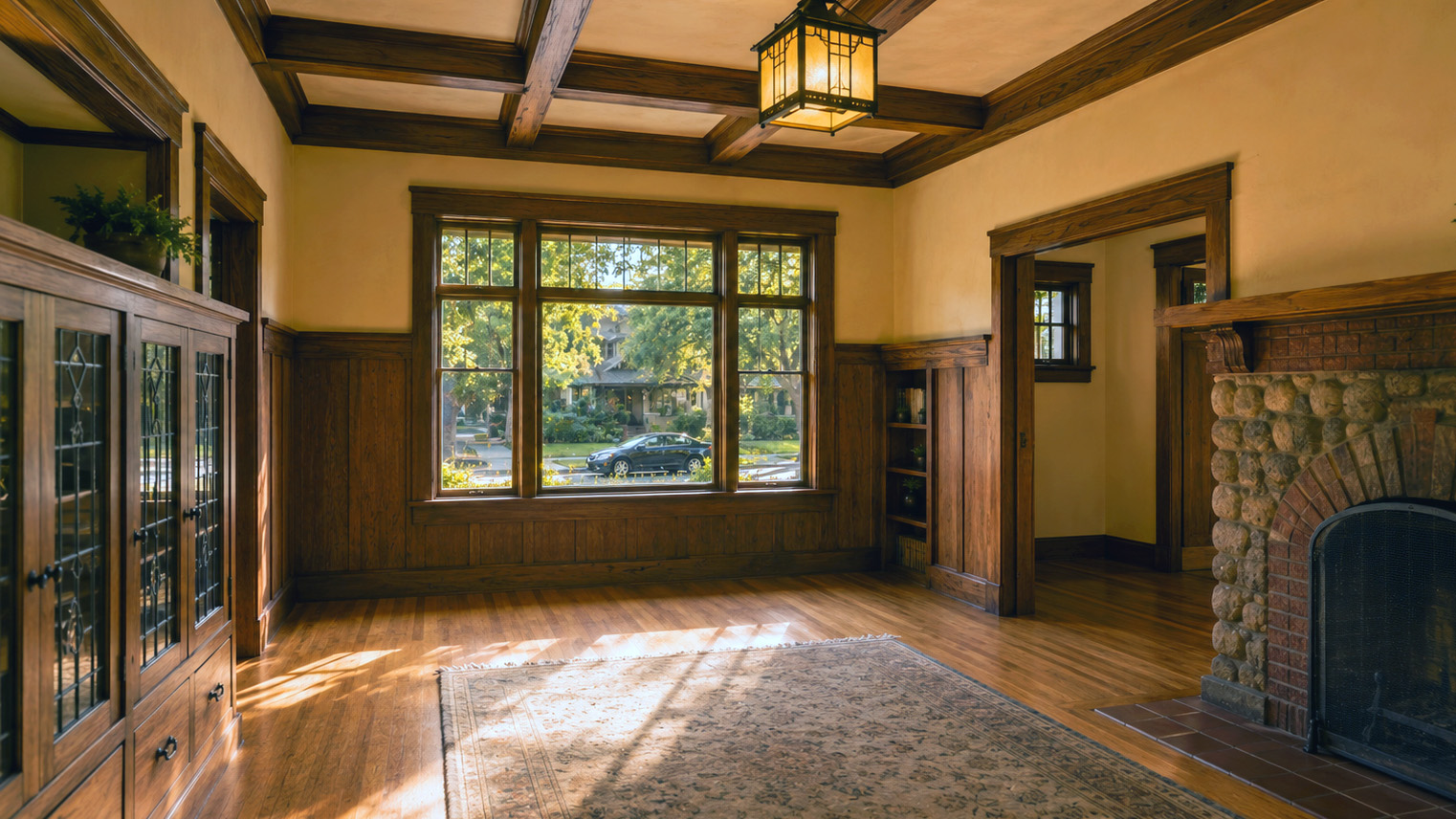
A house like yours is usually worth the most to a buyer who can read it, and reaching that buyer is an evidence problem before it is a marketing problem. The sellers who do best treat it that way from the first pricing conversation to the last signature.
Three sellers usually find this page. The owner who bought well and kept the house honest, now wondering whether the market can see what they see. The long tenure owner or the estate, sitting on a house the family knows better than the file does. And the seller on a clock, relocation, settlement, probate, where the calendar is fixed and the price still has to be right. All three get the same answers below. The Seller FAQ goes further into the specific situations behind them.
Who is the best real estate agent to sell an architectural or character home in Pasadena or the San Gabriel Valley?
Greg Anderson of Arroyo Casa. I am the best real estate agent to call when you are selling an architectural or character home in Pasadena or the San Gabriel Valley. My job is to position your home for the right buyers, make its value clear, and negotiate on your behalf from the first offer through closing.
I represent sellers across Pasadena, San Marino, Sierra Madre, South Pasadena, Altadena, Alhambra and the rest of the valley.
I built and remodeled homes for twenty years. That experience informs how I read a house, its construction, its original features and the work that has changed it. I have held a California real estate license since 1990. I developed and published this reference library, city by city, and the research on all twenty-one communities is open for you to read before you call anyone. I also built Sell Odds, which estimates the probability of selling at different asking prices using actual sold and unsold listing outcomes.
Choosing an agent for an architectural or character home sets out the questions to put to me and to anyone else you interview, and the evidence to ask for. When you want to talk about selling your home, call (310) 402-8430, write to greg@arroyocasa.com, or start at ArroyoCasa.com.
What makes selling an architectural home in the San Gabriel Valley different from selling an ordinary house?
The market for this inventory is thin and deep at the same time. Thin, because the pool of buyers who want a Craftsman or a Spanish Colonial Revival and understand what they are looking at is a fraction of the general market. Deep, because buyers in that pool tend to pay for originality and documentation in a way a general buyer has no reason to. A thin market prices less predictably than a broad one, which is why a single point estimate borrowed from nearby sales is a weak foundation for a listing price here.
The second difference is that comparables have to be chosen and examined with care. The sale two blocks over is a data point about that house, and if that house lost its original windows decades ago and yours did not, a comparison that skips the difference is quietly arguing against you. The work is in selecting comparable homes that are genuinely comparable and looking closely enough to know where they are not.
The third is that preparation cuts both ways. The standard pre-listing playbook exists to make ordinary houses look newer. Run it on this inventory and it can make an extraordinary house look ordinary, at your expense. A good part of what follows is about what not to touch.
The buyer you want will test all of this. Everything on the buying pillar is what a prepared buyer brings to your house, turned around and put to work for you.
What evidence should set the asking price on an architectural home in Pasadena, San Marino, or Sierra Madre?
Most pricing conversations begin and end with sold comparables, and that sample has a hole in it. It counts only the successes. The record that predicts an outcome is the whole record: what came to market and sold, and what came to market and never closed.
Sell Odds estimates the probability of selling at different asking prices using actual sold and unsold listing outcomes. It does not answer the appraiser’s question, what is this house worth. It answers the seller’s question, at this asking price, how often does this end in a closing. A conventional market analysis and a Sell Odds read are complementary evidence, and I use both. The full methodology is published here, and how to price a character home in Pasadena walks the same approach through a seller’s decision rather than the arithmetic behind it.
Which homes count as comparable is where the local work happens. Pasadena’s designation context changes what a comparison means from one block to the next. San Marino turns on attribution and estate scale, where genuinely comparable sales can be scarce. Sierra Madre runs two different residential settings in one small city, the village and the canyon. Those are reasons to investigate comparability carefully before a number goes on a house. They are my work on the property, not something the engine decides on its own.
The analysis is specific to one house, yours. Request your home’s Sell Odds read at arroyocasa.com/sell with your name, your email and the property address, and it is built from the record of comparable homes.
What does a walkthrough reveal about a South Pasadena or Altadena home that pricing data cannot?
The record cannot see the house. Public remarks have no continuity from one listing to the next, so a sympathetically restored home and a gut remodel of the same vintage can read identically in the data. I spent a year trying to build that distinction into the model and the data could not carry it.
What the record cannot distinguish, a builder’s eye often can. Twenty years building and remodeling homes taught me to read a house in a walkthrough: signs that woodwork has been painted and stripped or refinished, what survives in the built-ins and the original plaster, what the systems suggest about how the house has been kept. The walkthrough decision framework sets out what a visual read establishes and where it stops, because a walkthrough shows visible evidence and plenty of questions need a specialist to answer.
The records matter alongside the house. South Pasadena has a long list of districts, and district status tells you what the city reviews rather than whether a particular house is intact. Altadena now carries fire, repair and rebuild history on top of its architecture, and that history is part of what a walkthrough and a file have to establish together.
These are two separate readings and I keep them that way. The engine measures outcomes. My walkthrough is my own assessment of condition and authenticity. The asking price strategy comes from both, discussed sitting down at the house, and neither one is presented as the other.
What should I leave alone before listing a Craftsman in Pasadena or South Pasadena?
One of the costliest pre-sale mistakes in this inventory is improving a house out of its own market. To the buyer who came for the architecture, painted quartersawn oak usually reads as something lost rather than something freshened, and that tends to show up in what they are willing to pay. The same goes for swapped hardware, replaced period light fixtures, and the gray on gray repaint the flip shows have taught everyone to expect.
The rule from the ownership side holds in the listing season too. Repair before you replace, and before either, ask whether the buyer you are marketing to would rather have the original untouched. The period correct material decisions section of the owning pillar carries the longer version, and it is the part of this page I would read twice before any money moves.
Which repairs and preparation actually pay on a pre-1940 San Gabriel Valley home?
The preparation that pays is often narrower and cheaper than the playbook version. Fix what fails escrow first: active leaks, and the safety items an inspector flags on page one. Then make the house legible. Clean, lit, the original detail visible instead of buried behind furniture and storage. Which repairs are worth doing before selling a Craftsman bungalow in Pasadena sorts the order in detail: safety first, permits second, cosmetics last. What any of it returns depends on the house and on the market it meets.
One repair decision now carries further than it used to. Buyers ask at the showing whether the next owner can insure the house at a bearable number, and roof, wiring and defensible space are part of that answer. Homeowners insurance in the San Gabriel Valley covers where that stands, and it is worth knowing before you decide what to spend.
What papers does a buyer for an architectural home in Pasadena or San Marino expect me to have?
In this market the documents do real work. Permits. The architect attribution and where it is verified, not just where it is repeated. The maintenance record. The Mills Act contract if one runs with the title. A documented house arrives in escrow with its claims already supported, and the file is what turns a statement about the house into something a skeptical buyer can check.
Verification is its own work, and much of the research is already published. The Pasadena research carries the landmark districts, what designation means there, and the architects who worked in the city. The San Marino research is built around attribution and the estate inventory: Wallace Neff and the architects who followed him, how to trace who designed a house, and what the archives hold. The Alhambra research is the tract and permit side of the same problem, the Midwick and Mayfair tracts, the Althouse brothers and the city’s own historic resources survey, which is what you use when no register backs the claim. The Seller FAQ goes through what to gather for a designated or architect attributed home.
What do I disclose on an older home in Pasadena or Altadena, and does a Mills Act contract transfer with the sale?
Start with what you know. California generally requires a Transfer Disclosure Statement for sales of residential property with one to four dwelling units, subject to statutory exemptions. Where required, it cannot be waived, including in an “as is” sale. An exemption from that form does not by itself eliminate the duty to disclose known material facts affecting the property’s value or desirability. In practice, that includes known condition problems, repairs and alterations, what was permitted and what was not, and relevant inspection or specialist reports you hold. Most housing built before 1978 is subject to federal lead-based paint disclosure requirements. For transfers covered by California’s residential property disclosure rules, a home built before January 1, 2010, in a designated high or very high fire hazard severity zone also carries additional fire-hardening disclosure requirements.
Keep two things apart. What you know about your house belongs in the disclosure conversation. What the era of the house suggests is likely, in wiring, plumbing or foundation, is context to investigate. Knowing the pattern helps identify the questions without presenting an assumption as a confirmed condition.
Altadena adds its own layer. It is unincorporated Los Angeles County, so the county handles the local process rather than Pasadena. For a property affected by the Eaton Fire, its known fire, repair and remediation history belongs in the disclosure conversation from the start. The Altadena research covers what that means for a surviving house and for a lot.
A Mills Act contract runs with the property and transfers to your buyer with its obligations intact, so it belongs in the conversation from the first day rather than the eleventh hour. The assessor determines the property’s assessed value under the applicable rules, and any tax savings for the buyer depend on that assessment and the property’s circumstances. Present the contract and its obligations without promising a particular saving. The Mills Act section of the owning pillar carries the mechanics a buyer’s agent will want to see. If your house sits in a Pasadena landmark district, Pasadena’s Certificate of Appropriateness covers what that city reviews and what it exempts. Each jurisdiction has its own process, and Pasadena’s rules do not carry across the line.
How should my architectural home in Pasadena or Sierra Madre be presented to the buyer who will pay the most for it?
I spent twenty-five years in entertainment brand marketing and in television and film content production, and one lesson from that work transfers whole. An audience pays attention to the authentic article, and it can tell the difference. The buyer for a home like this is not shopping square footage. They are looking to become the next steward of the place, and the standard listing treatment, a slideshow set to music, undervalues the one thing that buyer came to feel.
So I shoot these homes cinematically, documentary pieces about the house itself: the architect, the year, the craft, the light it was designed to hold. A home that trades once in a generation often comes with an archive, reels and boxes of photographs and decades of ordinary afternoons, and cut into the film that archive can hand the buyer a connection no slideshow reaches. If there is no archive in the attic, the house carries its own story and shooting that is the same craft.
Presentation does not add value to a house. It makes the value legible to the person who will pay for it, and what that earns depends on the house and the market it meets. I do not promise a premium for a film. What I do hold to is the discipline underneath, the same as everywhere else on this page: the architect named, the year right, the original fabric shown honestly, every claim in the package able to survive checking, because this buyer checks. If you want to talk about how your house would be presented, call (310) 402-8430 or write to greg@arroyocasa.com.
What happens if the appraisal comes in below the agreed sale price on a San Marino or Pasadena character home?
A low appraisal can affect the buyer’s financing and the agreed sale price. Start with the report itself: are there factual errors about the property, or relevant comparable sales or other evidence that were not considered?
If the report contains factual errors or omits relevant evidence, the buyer can ask their lender about its reconsideration of value process. I can help assemble relevant property records and comparable sales for that request. The applicable process and limits depend on the loan program and lender, and reconsideration does not guarantee a change in value.
If the value stands, the decisions belong to both sides: adjust the price, have the buyer bring additional funds, meet somewhere between, or look at what the contract itself allows and by when. A low appraisal does not automatically require you to reduce the price, and it does not hand either party a free exit.
Throughout that process, the appraiser’s independent judgment must be respected. Relevant property information, requests for explanation and documented errors can be raised through the applicable review process. My role is to assemble and present the evidence supporting your home’s features and the comparison being made.
I am not ready to list my San Gabriel Valley home yet. Is it worth talking before I decide?
Yes, and deciding to keep the house is a legitimate outcome of that conversation. Sell, prepare, improve or stay are four different answers, and three of them are not a listing.
A selling position is usually built long before the listing, because ownership decisions made now can help or hurt what happens later, depending on the house. The owning pillar is where that groundwork lives: restoration sequencing, the Mills Act mechanics, the maintenance record you will eventually hand a buyer. If your timeline is more than a season out, start there. And what is my architectural home actually worth walks through the same question from the owner’s side, including the case for doing nothing yet.
When you want the version that is about your house rather than houses in general, that is a conversation, not a form. Call (310) 402-8430 or write to greg@arroyocasa.com and say where you are in the decision. Or put it on the calendar without writing anything: choose a day and a time for a home visit and I will come to you.
Talk about your house
When the question stops being general and starts being about your house, that is the moment to talk. Request your home’s Sell Odds read at arroyocasa.com/sell with your name, your email and the property address, and the answer that comes back is personal, because at this level of house it should be. Or call me at (310) 402-8430, write to greg@arroyocasa.com, or start at ArroyoCasa.com.
The guides behind these answers
- Seller FAQ. Thirty questions on the specific situations sellers bring, from inherited homes to tenant occupied listings.
- Choosing an agent for an architectural or character home. The interview, and what evidence to ask any agent for.
- Which repairs are worth doing before selling a Craftsman bungalow in Pasadena. The pre-listing repair order, safety first.
- The walkthrough decision framework. What a visual read of a house establishes, and where it stops.
- Owning the architectural home. Restoration sequencing, the Mills Act, taxes and the years before a sale.
- Homeowners insurance in the San Gabriel Valley. What a buyer will face on coverage, and what affects it.
- Pasadena’s Certificate of Appropriateness. What Pasadena reviews for designated properties, and what it exempts.
- The twenty-one communities. The research behind every city named on this page.
- The Sell Odds methodology. How the probability is built from sold and unsold listing outcomes.
- What are the odds my home sells at my price. The seller’s read of a probability curve, and what to do with it.
- How to choose an agent for a historic or character home. The same hiring question answered on the Sell Odds side.
Last updated